ShapeSync Active Wear Women's Gym Set
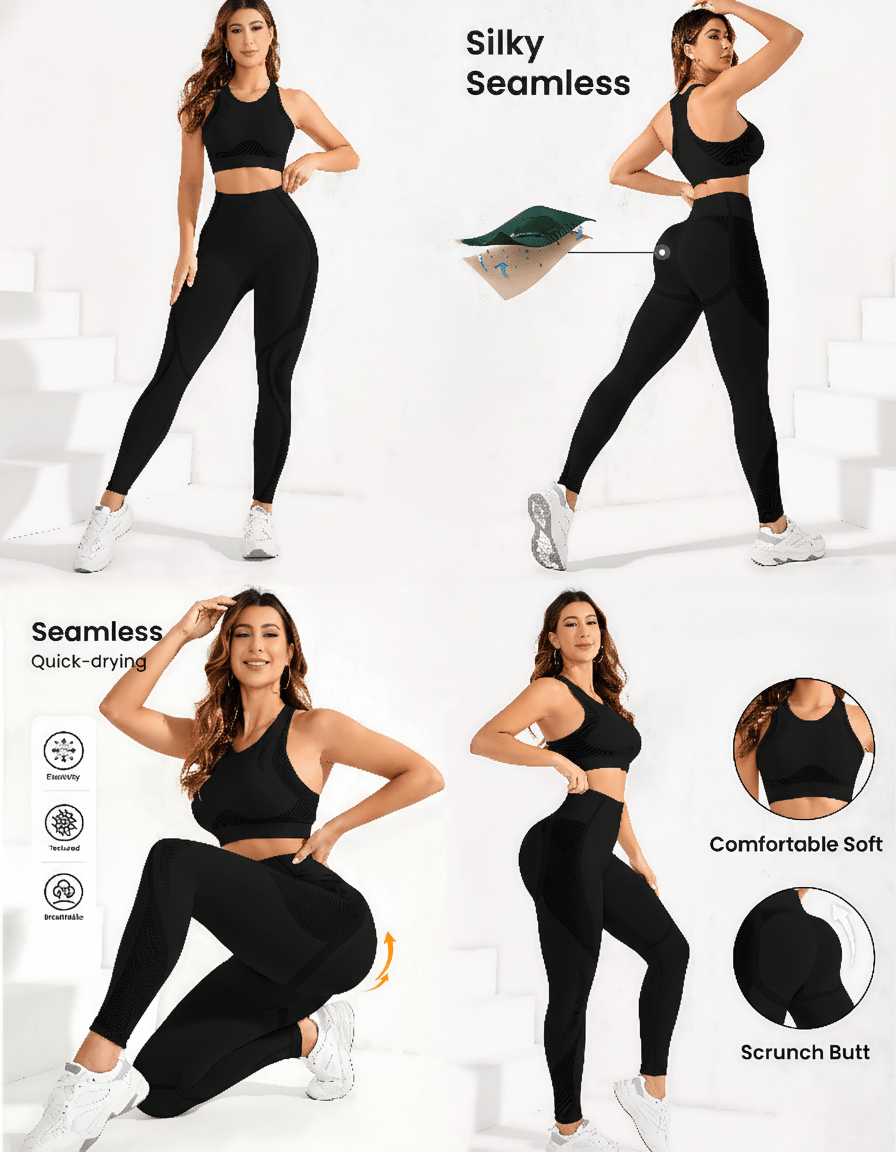
✔ 4-Way Stretch Performance – Flexible, high-elastic fabric moves with you for a smooth, second-skin feel.
✔ High-Rise Sculpting Waist – Supportive waistband stays put and shapes your silhouette.
✔ Cool & Dry Comfort – Breathable, sweat-wicking material keeps you fresh during workouts.
✔ Squat-Proof Durability – Thick, stretchy fabric provides full coverage and confidence in every move.
Couldn't load pickup availability
Checkout safely using your preferred payment method


Guaranteed
Secure
Returns
Guarantee
Product Description
Product Description
- Material Composition : 90% Polyamide, 10% Elastane
Shipping Policy
Shipping Policy
✔ Refund if package lost
✔ Refund if items damaged
✔ Refund if no delivery within 15 days
Returns & Exchange
Returns & Exchange
✔ Free returns within 30 days of delivery

“Absolutely love this yoga set! The fabric is super stretchy and breathable, and the high-waist fit stays perfectly in place. It looks flattering, feels amazing, and has become my go-to outfit for both yoga and gym days. Highly recommend!”
- Ashley M. (California, USA) ★★★★★


Understanding Sizes
Understanding the correct sizing for clothing is essential for ensuring a proper fit and enhancing overall comfort. This sizing chart has been developed based on industry standards and statistical data regarding body measurements. It is important to measure accurately to select the appropriate size.
| Label | US Size | Bust | Waist | Hips | Height |
|---|---|---|---|---|---|
| S | 4 | 33–35 | 26–28 | 35–37.5 | 5'4"–5'7" |
| M | 6 | 35–37 | 28–29.5 | 37.5–39 | 5'7"–5'9" |
| L | 8/10 | 37–40 | 29–32 | 39–42 | 5'9"–5'11" |
Measure the circumference of the fullest part of your bust.
Measure the thinnest part of your waist.
Measure the fullest part of your hips.
Measure your height.
Our Promise To You!
YOU MAY ALSO LIKE
-
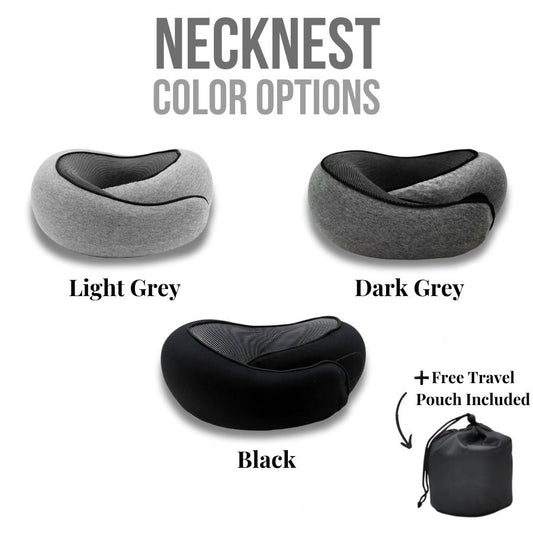
NeckNest™ Travel Pillow
Regular price $29.99 USDRegular priceUnit price per$59.99 USDSale price $29.99 USDSale -
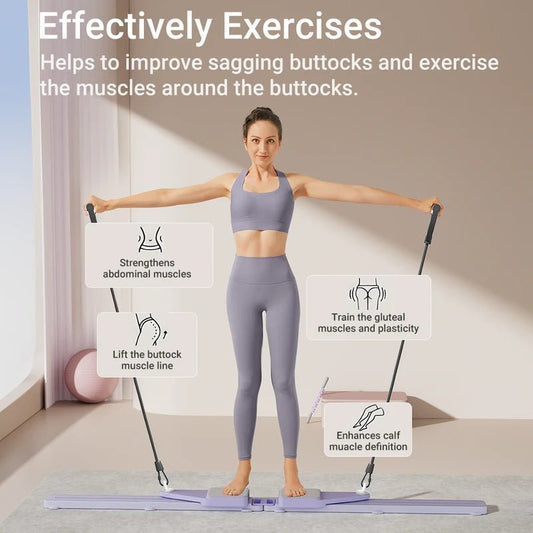
UMAY FlexiCore™ Pilates Reformer
Regular price $109.99 USDRegular priceUnit price per$149.99 USDSale price $109.99 USDSale -
UMAY VibeCore™ Vibration Plate
Regular price $119.99 USDRegular priceUnit price per$199.99 USDSale price $119.99 USDSale -
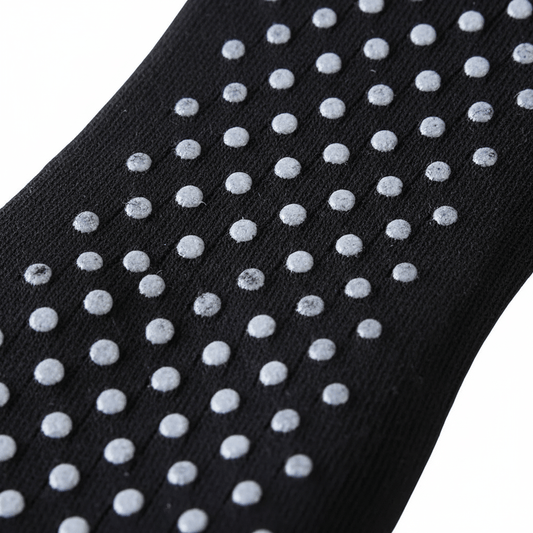
ProGrip Anti-Slip Fitness Socks
Regular price $5.99 USDRegular priceUnit price per$12.99 USDSale price $5.99 USDSale